


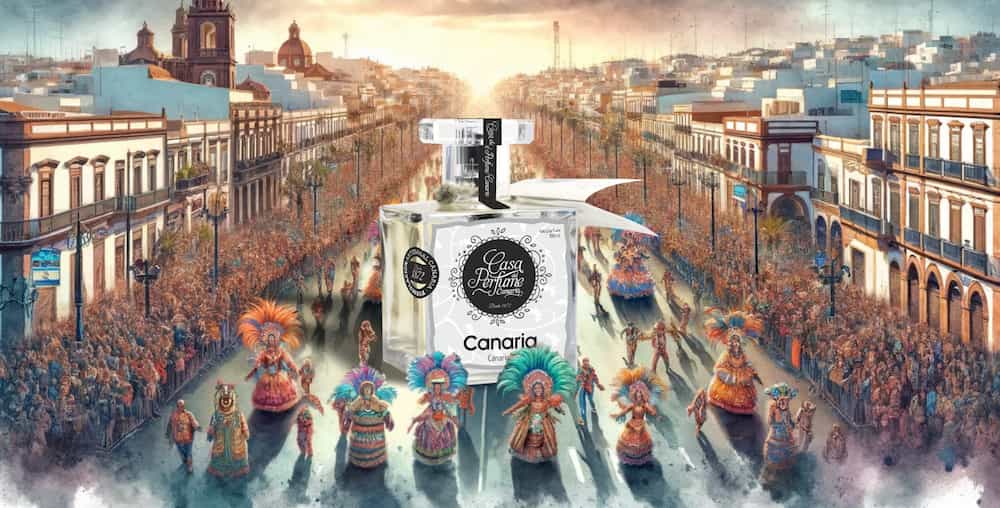
The origins of Carnival in the Canary Islands are intertwined with the traditions of the Guanches and are enriched by the cultural influence of Europe and Africa. This cultural syncretism has given rise to a unique festival, characterized by its symbolic richness, where ancient rituals are mixed with elements introduced by colonizers and African slaves. The costumes, music and dance are not only a sign of festivity, but also of resistance and affirmation of identity throughout the centuries.
Traditions and Celebrations
- Tenerife: The Santa Cruz de Tenerife Carnival is the best known internationally. It is characterized by its spectacular parades, such as the parade and the election of the Carnival Queen, where creativity, luxury and innovation reach their maximum expression in the costumes.
- Gran Canaria: In Las Palmas de Gran Canaria, Carnival is experienced with a similar intensity, highlighted by events such as the Drag Queen Gala, an example of the diversity and cultural openness of the islands.
- La Palma: The Fiesta de los Indianos is a unique celebration that commemorates the return of emigrants from America, filling the streets with talcum powder, music and period costumes.
- Lanzarote and Fuerteventura: Both islands stand out for keeping alive ancestral traditions such as the Diabletes de Teguise and the arretrancos and achipencos, respectively, which add a distinctive character to their carnivals.
- La Gomera and El Hierro: These islands offer a more intimate version of Carnival, with celebrations that keep the essence of community and tradition alive.
Our Canarian Carnival
- Election of the Carnival Queen: This event is one of the most anticipated and symbolic, where beauty and creativity are celebrated through spectacular costumes that are true works of art.
- Murgas and Comparsas: These groups are the musical soul of Carnival, offering social criticism with humor and satire through their songs and dances.
- Burial of the Sardine: This symbolic act represents the end of Carnival and the return to everyday life, marking the beginning of Lent with a touch of humor and lightheartedness.
- Traditional Carnival: La Negra Tomasa, Diablo Cojuelo and other traditional characters add a touch of mystery and fun, remembering the roots and history of these festivals.
The Canary Islands Carnival is much more than a party; It is an expression of the culture and history of the islands, a moment for social reflection and criticism through art and satire. Its importance goes beyond the recreational aspect, being a key element in social cohesion and Canarian identity, as well as an important tourist attraction that boosts the local economy.
If you dare to visit the islands for carnivals, don’t forget to pay us a visit!!
